There is an infrastructure story hiding in plain sight.
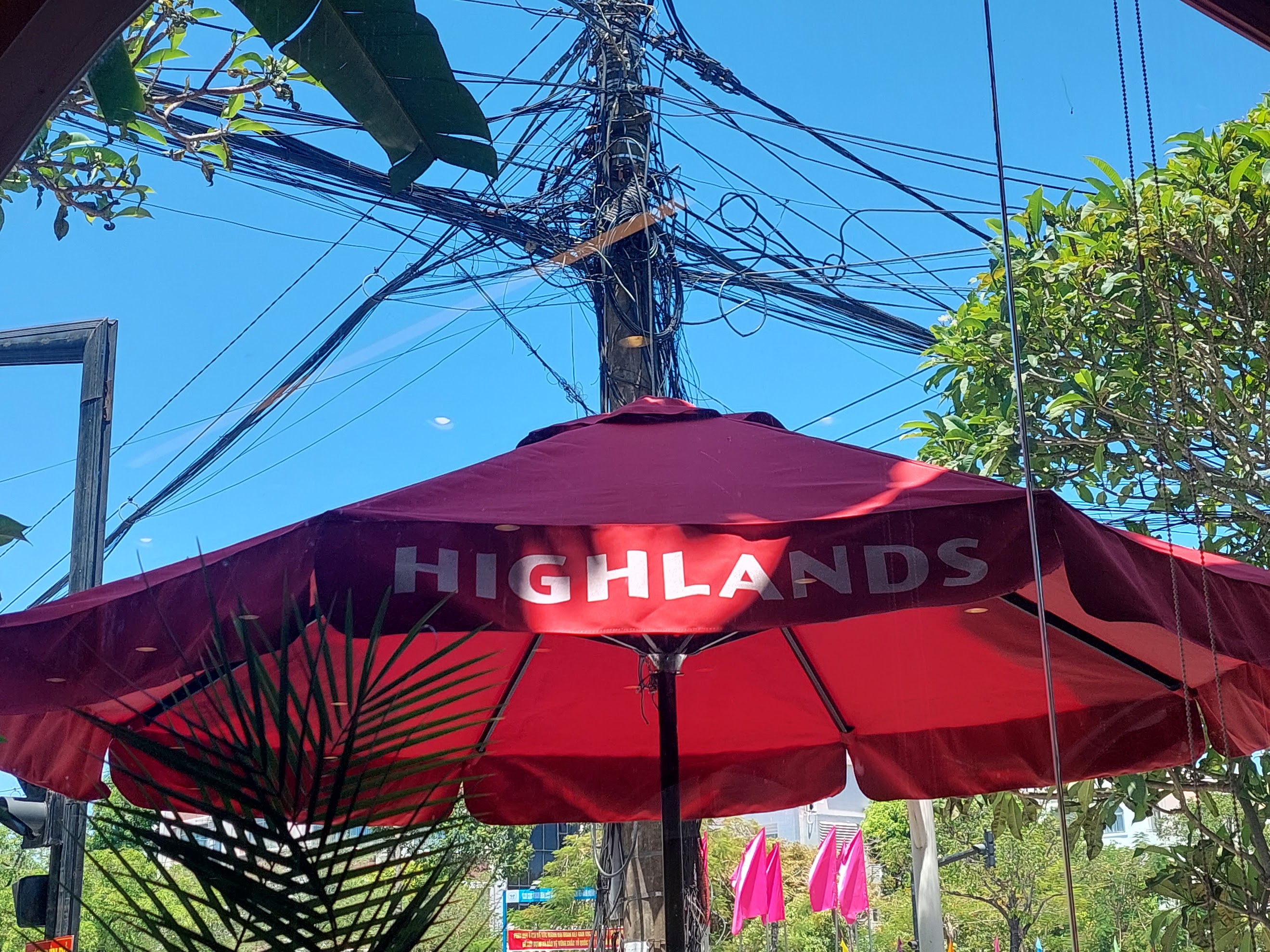
This morning, I went to Highlands Coffee like I always do.
I ordered my drink and immediately noticed something unusual. Instead of using the ordering system, an employee was writing orders down by hand.
I asked, “Is the system down?”
She smiled and replied, “Yes.”
For most people, this would simply be a small inconvenience. They would get their coffee a few minutes later and move on with their day.
But years of working on infrastructure have permanently changed the way I observe the world.
I no longer see incidents.
I see systems under pressure.
Then I remembered something.
Yesterday, Highlands Coffee celebrated a remarkable milestone: 1,000 stores across Vietnam. To celebrate, they launched a free coffee campaign and I happened to receive one of the vouchers.
What caught my attention wasn’t the coffee itself.
It was the one hour expiration window.
Marketing teams see engagement.
Customers see a reward.
I see synchronized demand.
Because infrastructure has a funny way of revealing itself.
The biggest challenges are rarely created by massive numbers alone. They appear when large numbers of people decide to do the exact same thing at the exact same time.
Open the app.
Claim a voucher.
Authenticate.
Pay.
Synchronize data.
Repeat that tens of thousands of times within a short period, and suddenly a normal day stops being normal.
That is when systems reveal who they truly are.
For a long time, I thought growth was the hardest challenge companies faced.
I eventually realized I was wrong.
Growth is easy to celebrate.
Growth is difficult to survive.
Opening another store is a business achievement.
Making 1,000 stores behave like a single system is an infrastructure achievement.
Those are entirely different problems.
People often associate infrastructure with technologies.
Cloud providers.
Kubernetes.
Containers.
Distributed systems.
But the longer I work in this field, the less those words matter.
Infrastructure is not technology.
Infrastructure is trust.
It is the invisible layer that allows millions of ordinary moments to remain ordinary.
We only notice roads when traffic stops moving.
We only notice electricity when the lights go out.
We only notice infrastructure when it disappears.
That is the strange beauty of this industry.
Success creates pressure.
Pressure exposes assumptions.
Assumptions expose systems.
And systems eventually expose the truth.
While I was thinking about all of this, I overheard someone sitting nearby say:
“Every time Highlands launches a campaign, something happens.”
I don’t know whether that statement is fair or unfair.
But I immediately understood why it matters.
Because users don’t experience architecture.
Users experience confidence.
Confidence that the application will open.
Confidence that the payment will succeed.
Confidence that a promotion will work exactly as promised.
Confidence that a company can handle its own success.
People don’t care how elegant your architecture is.
They don’t care how many engineers are working behind the scenes.
They don’t care how much money has been invested in technology.
They only care about one thing.
Will it work when I need it?
This morning, I saw an employee writing orders down on paper.
Many people saw a small outage.
I saw something else.
I saw a company that had just reached 1,000 stores collide with one of the oldest truths in infrastructure.
Growth doesn’t break systems.
Growth reveals systems.
And somewhere between a nationwide celebration and a handwritten receipt lies the real challenge that infrastructure builders quietly solve every day.
Not how to build systems that work.
But how to build systems that continue to work when success arrives all at once.